
Every creative takes a different journey to their art. In this piece, Julie Attallah explains to our marketing manager, Fariqah Abdulla how she got into photography, places she gets her inspiration from, and finally some great advice for beginners to start their own journey. Enjoy!
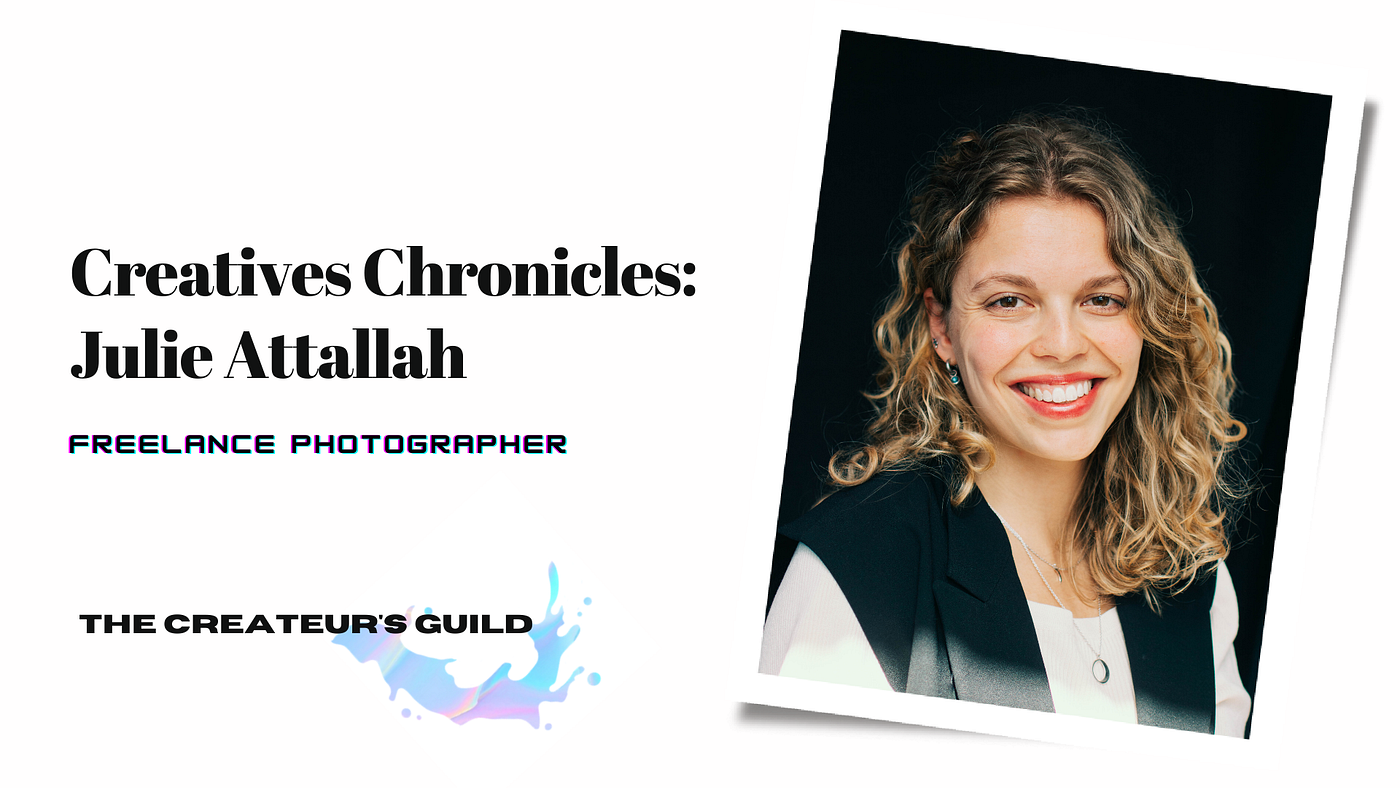
Please tell us a little bit about yourself and what you do.
I am Julie Attallah. I am 23 years old and I am a freelance photographer. I am also currently studying Arts and Culture Studies side by side. While I’m originally from France, I’ve been living in the Netherlands for six years now.
What is your favourite part of photography?
I like capturing things the way I see it. I really love observing everything; I love how there are certain reflections in windows and how there are light and shadows. That’s how I see the world and that’s what really captures my attention in daily life. I love being able to share something visually, instead of just keeping it in my mind. Taking pictures is a way for me to transform that into something more concrete that I can show others.
When did you start pursuing this passion?
My parents gave me my first camera at the age of five, so really photography has been a part of my life. It’s so close to me personally. While I had a camera beforehand, it was more of a holiday activity or something I did with my friends but I never really tried to get to different stages in photography. For the past five or six years I have been trying to get more into it by trying to learn new skills, switch to manual and improve myself. In the past year I’ve been making this my top priority which has resulted in more people seeing my work.
It seems that you really like light reflections. What inspired you to focus on reflections?
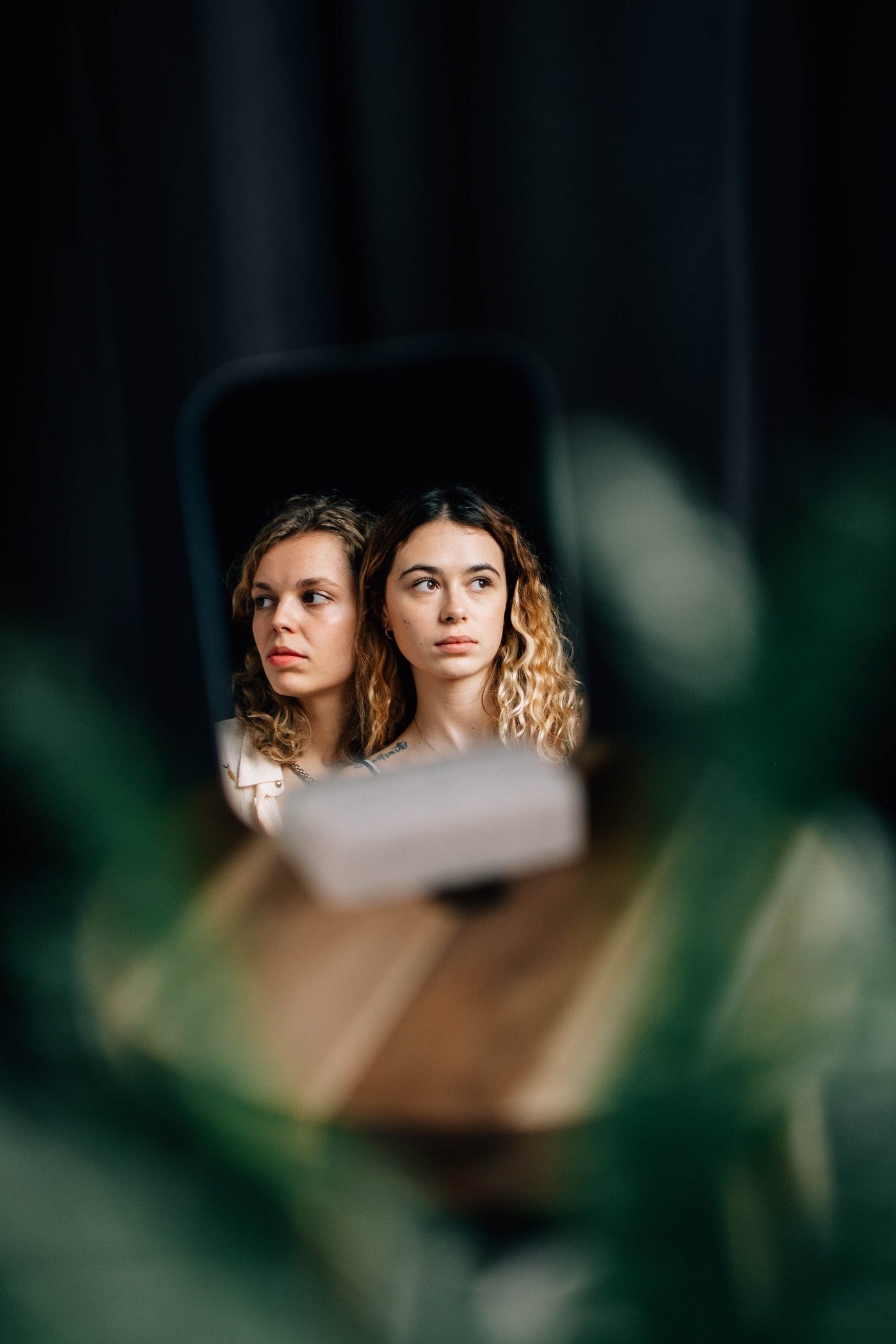
It started out of a high school assignment actually. I used to take audio visual classes as an extra option in high school. There, we once had to submit 15 artworks on ‘Reflection’ and I took it as a challenge to try to find reflections around me. When I actively looked for reflections, I started seeing them everywhere. I believe that’s always a great exercise for photographers, because with photography, it’s about pushing our limits on how we see things.
With reflections, for me it started with that high school assignment, but now I see them everywhere. It’s not something I can just turn off again.
What is your favourite subject to shoot?
Portraits are by far my favourite, so I would say people. I love getting to know people and being able to capture a person through my own eyes. I have also been doing a lot of self-portraits lately which has been quite healing for myself as well, looking at myself from a different perspective. It is quite hard because I’m the photographer as well as the model and I had to get more comfortable with myself as well. In the end, having fun with what I do is the most important for me.
“..with photography, it’s about pushing our limits on how we see things..”
What projects have you been working on recently?
My most recent project that I had finished two weeks ago was about transformation and I had made that for a festival. I used butterflies as a metaphor for transformation and applied that to human life, about how we transform ourselves stage by stage to embrace who we are and be our true authentic selves.
The one I’m working on currently is more of a long-term project for my own photography to become a full-time freelance photographer. There I use photography to help people build their visual identity.
What camera do you usually use when you shoot?
The one that I use right now is the Nikon D7100. I think we can shoot with anything; my phone is also a camera that I always have on me. I prefer shooting with my professional camera because it has different lenses and different depth of field, so I can really play with the settings to get the result I want, while on my phone I feel limited.
In the end, our equipment is not what makes us a good photographer. What matters is our perspective on how we see the world, and how we show that. So, we can really start off with our phones and go from there. I really think we can make anything we want with whatever equipment we have and find creative solutions to achieve what we want with what we have.
How much impact does editing have to bring your vision to life?
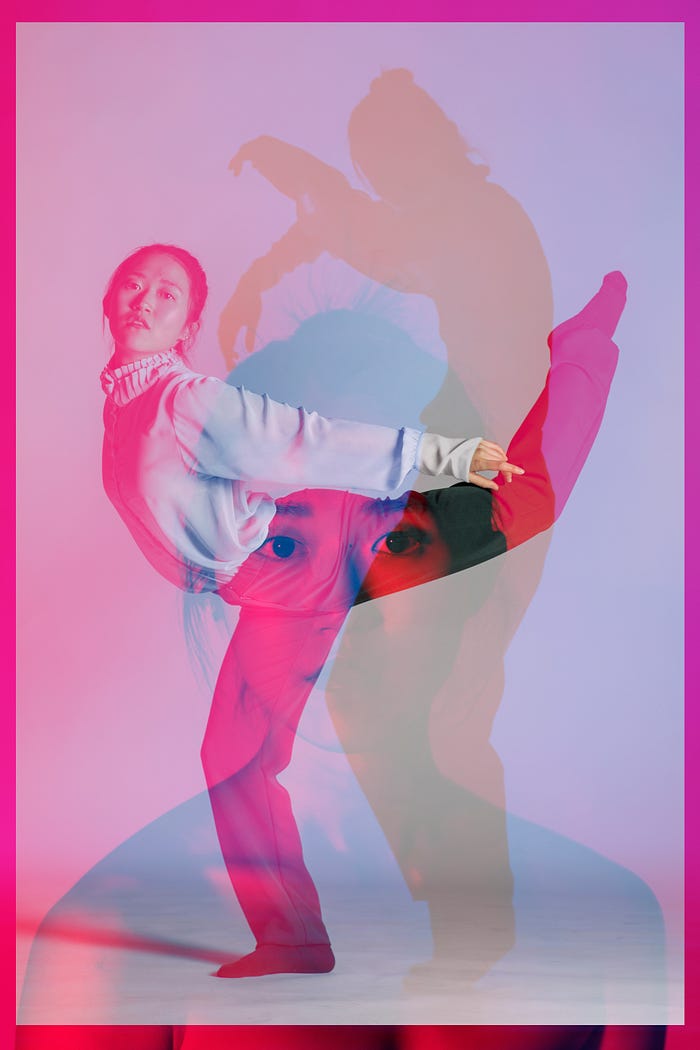
I use editing softwares because I like to play around with the colours and the lights but I always try to keep it natural and only use it to bring out the atmosphere that I see, because sometimes the camera doesn’t quite capture the colours as we see with our own eyes. If I have a conceptual project I use Photoshop a bit more to create the whole story. I use editing more to bring the last touch of my own personal style.
Whose work do you admire the most?
I’m really attracted to very different genres and styles. For self portraits, I like Anna-Alexia Basile’s work. Another photographer I like is Emma Birski. She uses Photoshop to make colourful photos and it is very creative. I also like Rodney Smith; he does black and white conceptual photography.
“…find creative solutions to achieve what we want with what we have..”
How have you stayed creative during quarantine?
I tried to do whatever I could with what I could find at home, just using daylight as my focus, how light hits the walls or house certain shadows are made. I’d get flowers and make something out of it or use colourful glasses to create a colourful shadow. I tried new techniques or things that I hadn’t done before because it is kind of hard to make portraits without people.
The past few months I have been making a lot of self-portraits. My student room is very tiny but I try to make the best out of the space and try to find creative solutions like using my bed sheets as a background for my pictures.
“While it’s hard to get inspiration without going outside or meeting people, we can adapt and find new streams of inspiration instead of sticking to the ones we’re used to.”
I think the most important thing about staying creative is that it doesn’t always have to just be photography; any art that we are interested in can help us as long as we keep that creativity flowing. While it’s hard to get inspiration without going outside or meeting people, we can adapt and find new streams of inspiration instead of sticking to the ones we’re used to.
What is your most important tip for a beginner?
Just go out there and shoot as much as you can. Challenge yourself to try and look for something specific like reflections for a week. Something I tried once was going to the same small park often and telling myself each time that for the next thirty minutes I am going to find new angles to take pictures of the same park. Maybe you won’t like the results and maybe nothing comes out of it, but you end up training yourself to see things differently.
You can start now even with your phone because no one is going to stop you. You don’t have to wait to be called a photographer or have a professional camera. You can start right now with whatever you have. Just go for it!
To see more of Julie Attallah’s work, follow her on Instagram and LinkedIn!
To never miss a story from The CreatEURs Guild, follow us here. You can also follow us on Instagram and LinkedIn to stay up to date with our events!